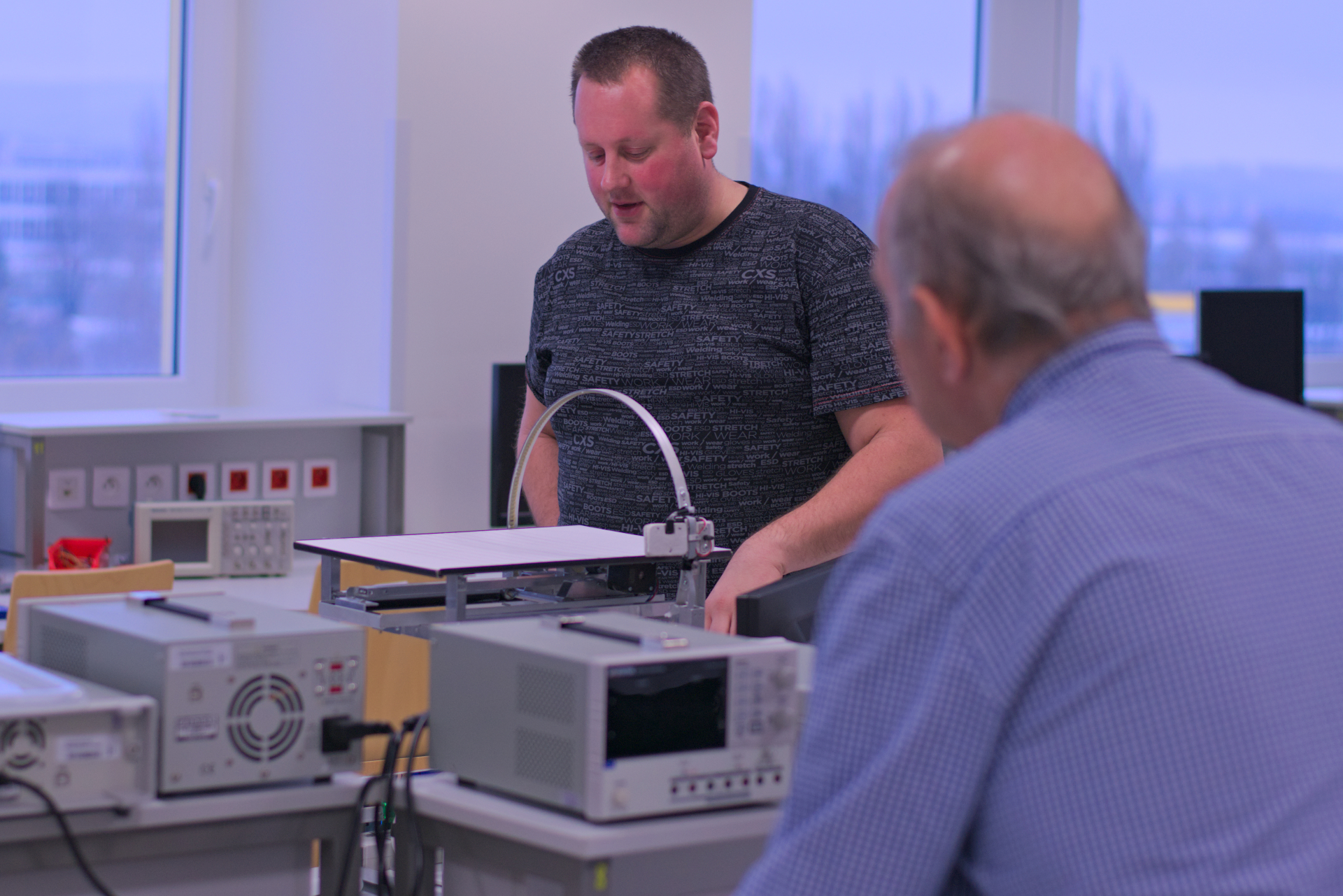
The Biomedical Engineering Laboratory is a specialized facility designed for teaching hardware-oriented courses, particularly in medical diagnostic technology, electrical engineering, and practical laboratory exercises. It also provides a foundation for student projects and thesis work in the fields of microprocessor technology and IoT systems.
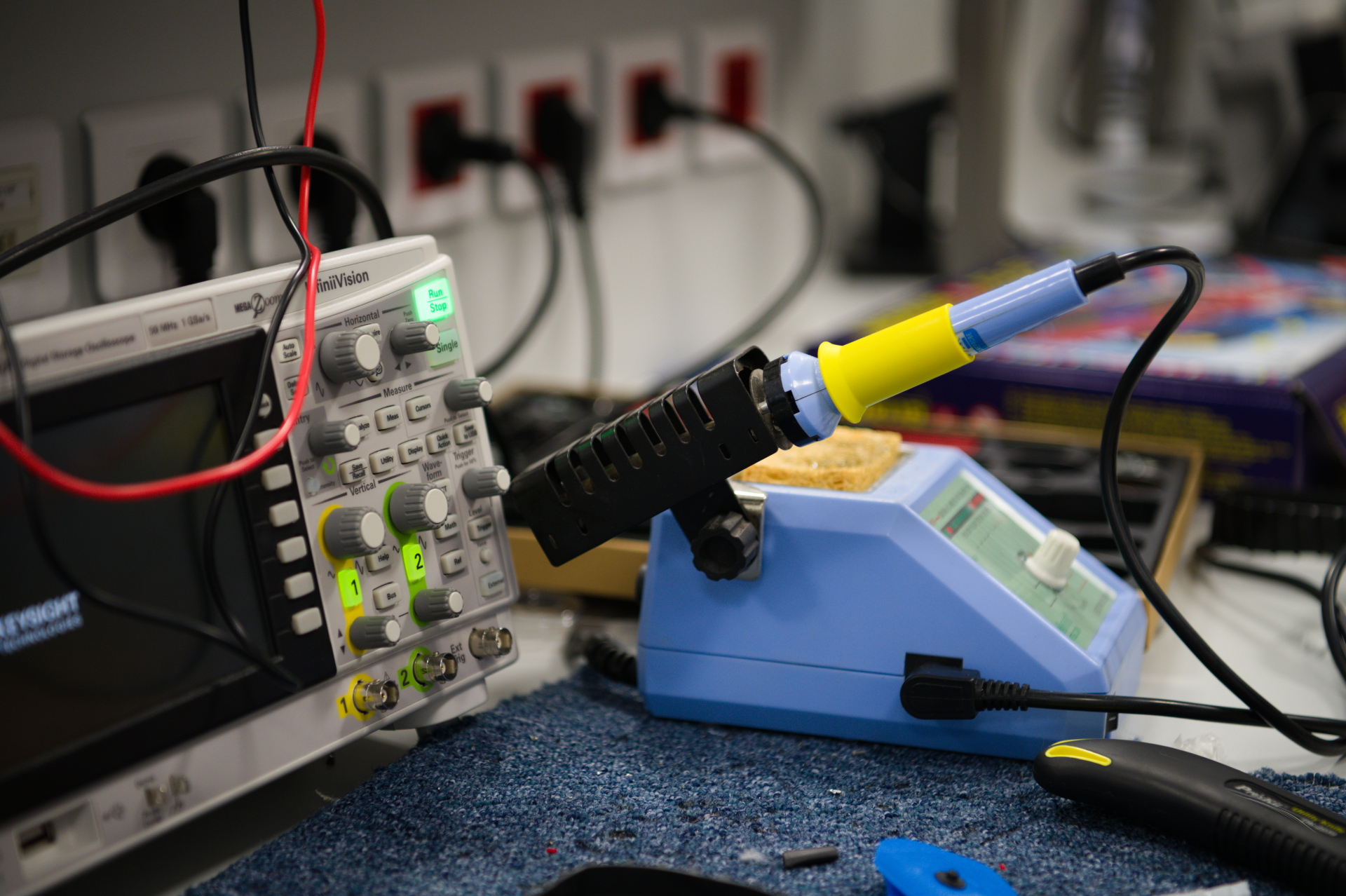
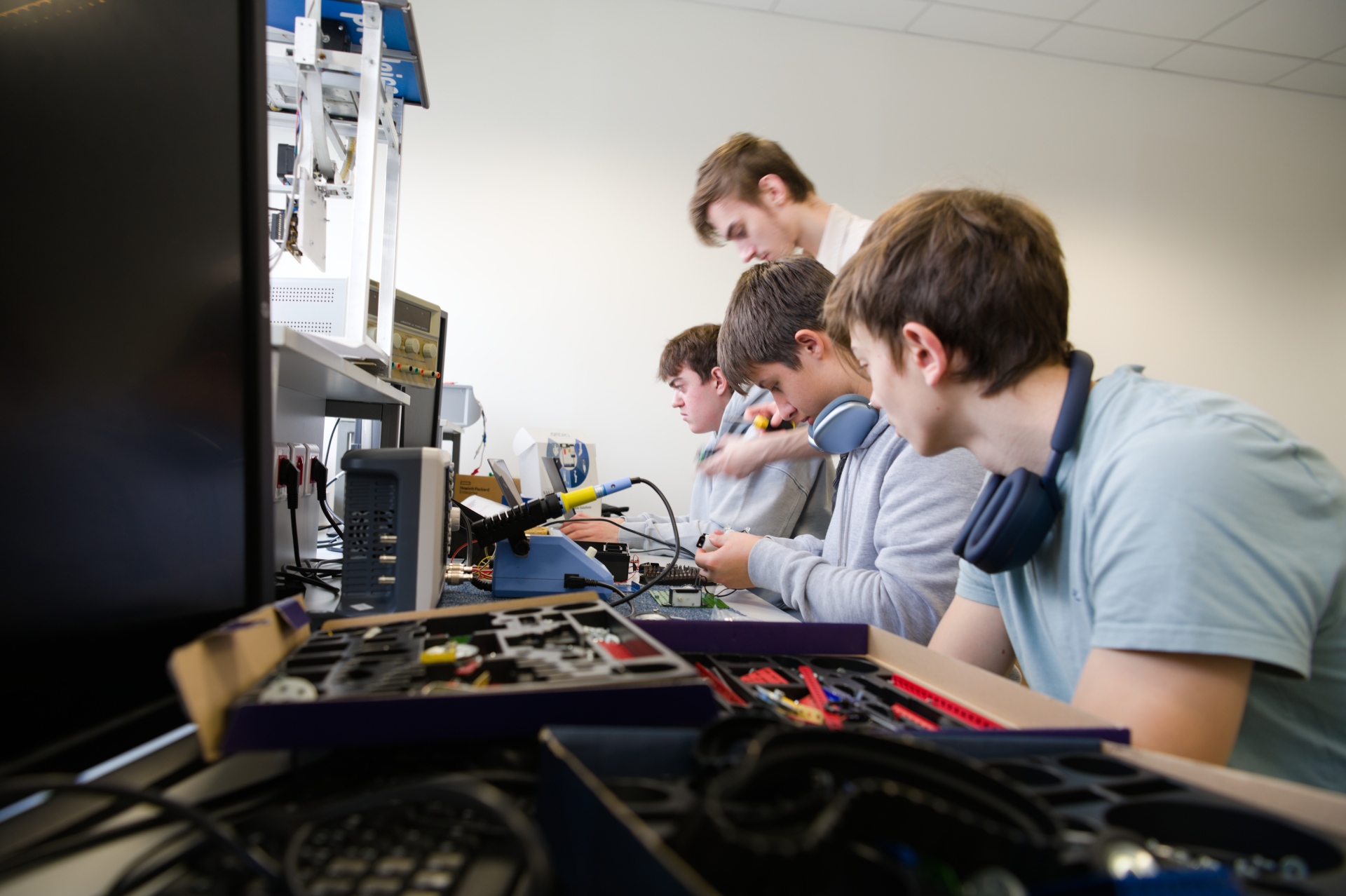
The main teaching area of the laboratory accommodates up to 20 students across 10 fully equipped workstations. Each workstation is fitted with measurement instruments including function generators, laboratory power supplies, and digital oscilloscopes, enabling a wide range of experiments and practical tasks.
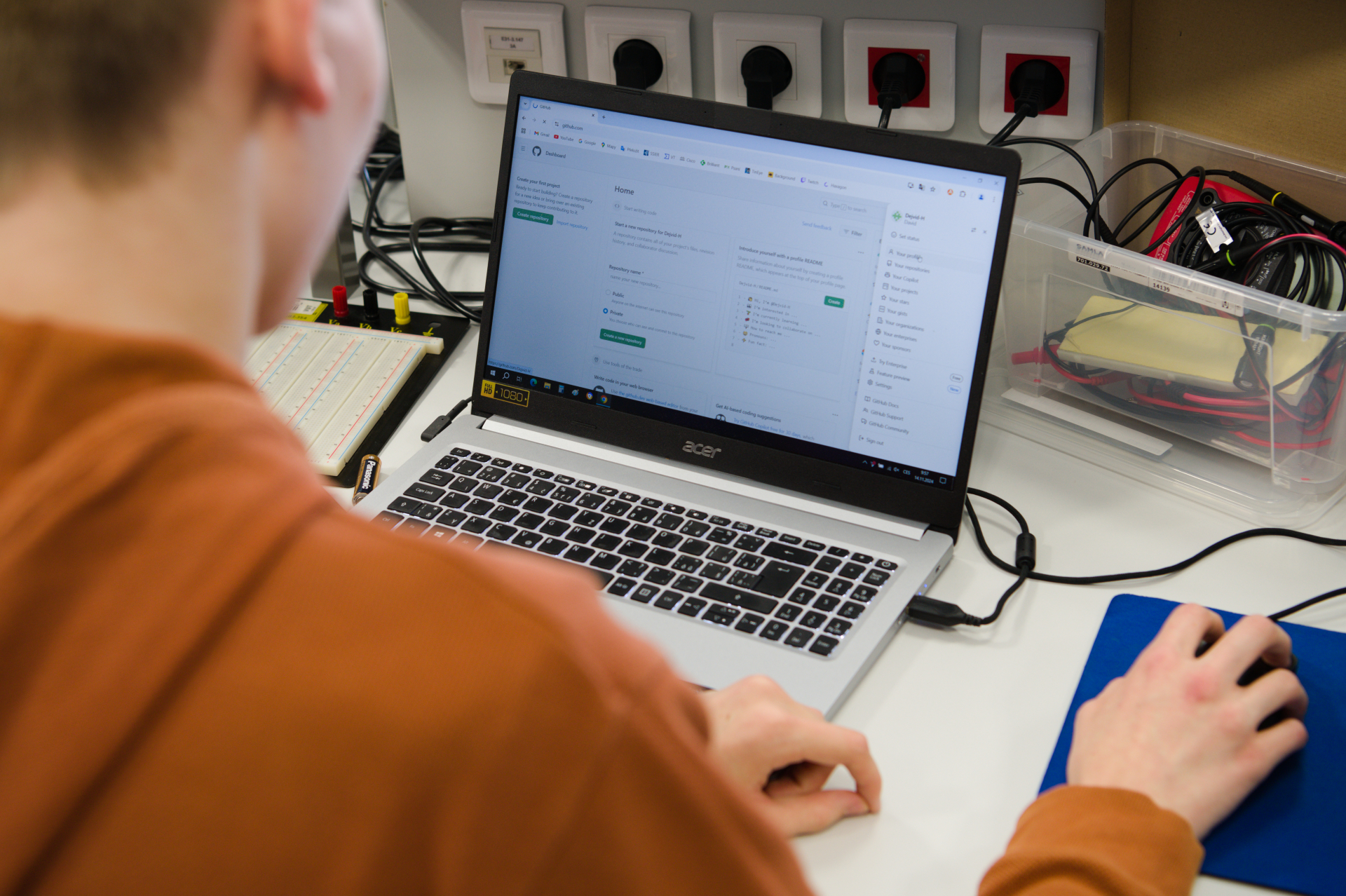
The laboratory also includes specialized workstations for the development of microprocessor applications, equipped with platforms such as Arduino, ESP32, STM32, and Raspberry Pi. It is designed as a versatile environment that supports both fundamental teaching and advanced practical projects across electronics and biomedical engineering.
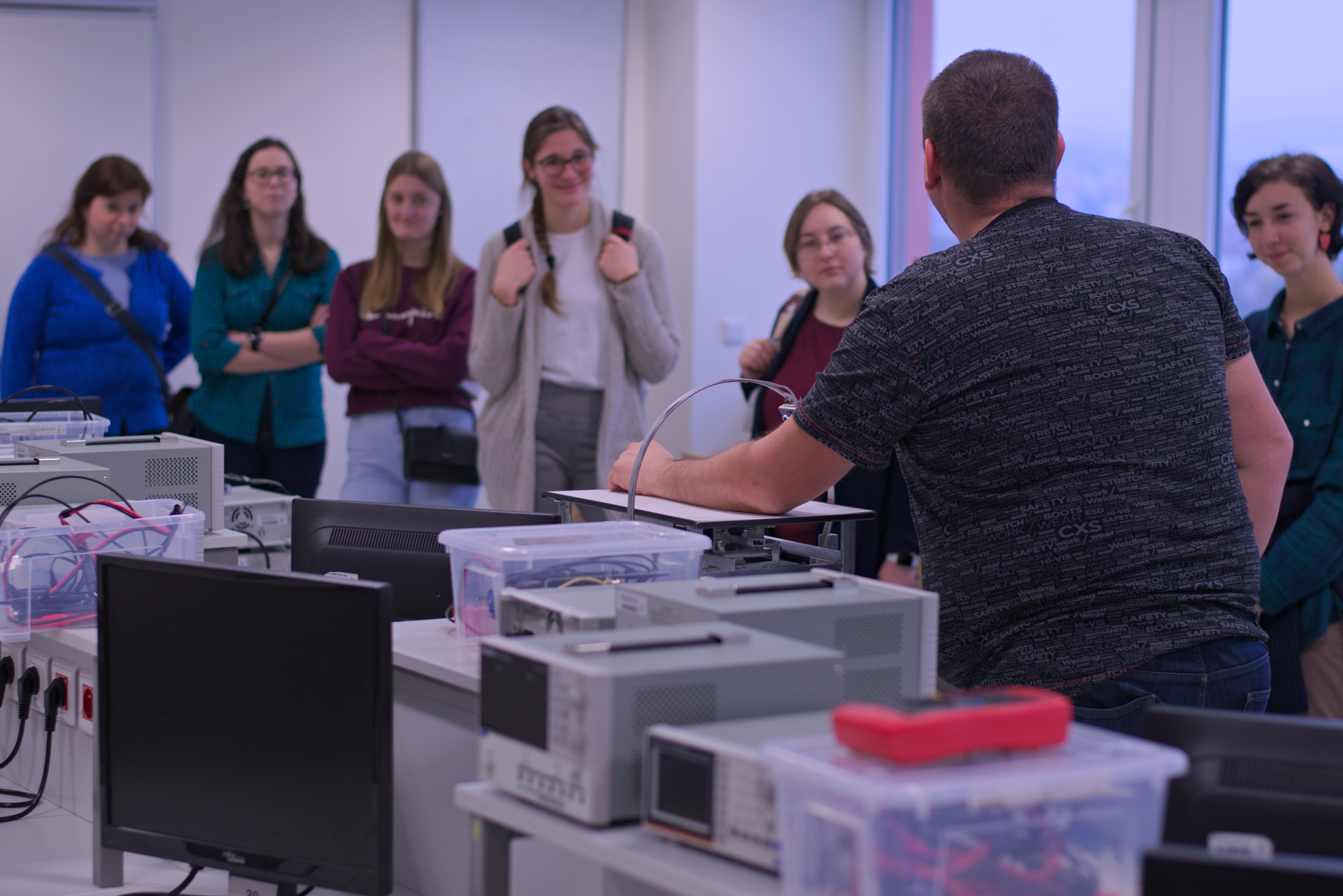
Teaching is supported by a modern multimedia interactive system, enabling effective in-person and hybrid instruction. A specialized measurement station with a spectrum analyzer is also available for advanced signal analysis.